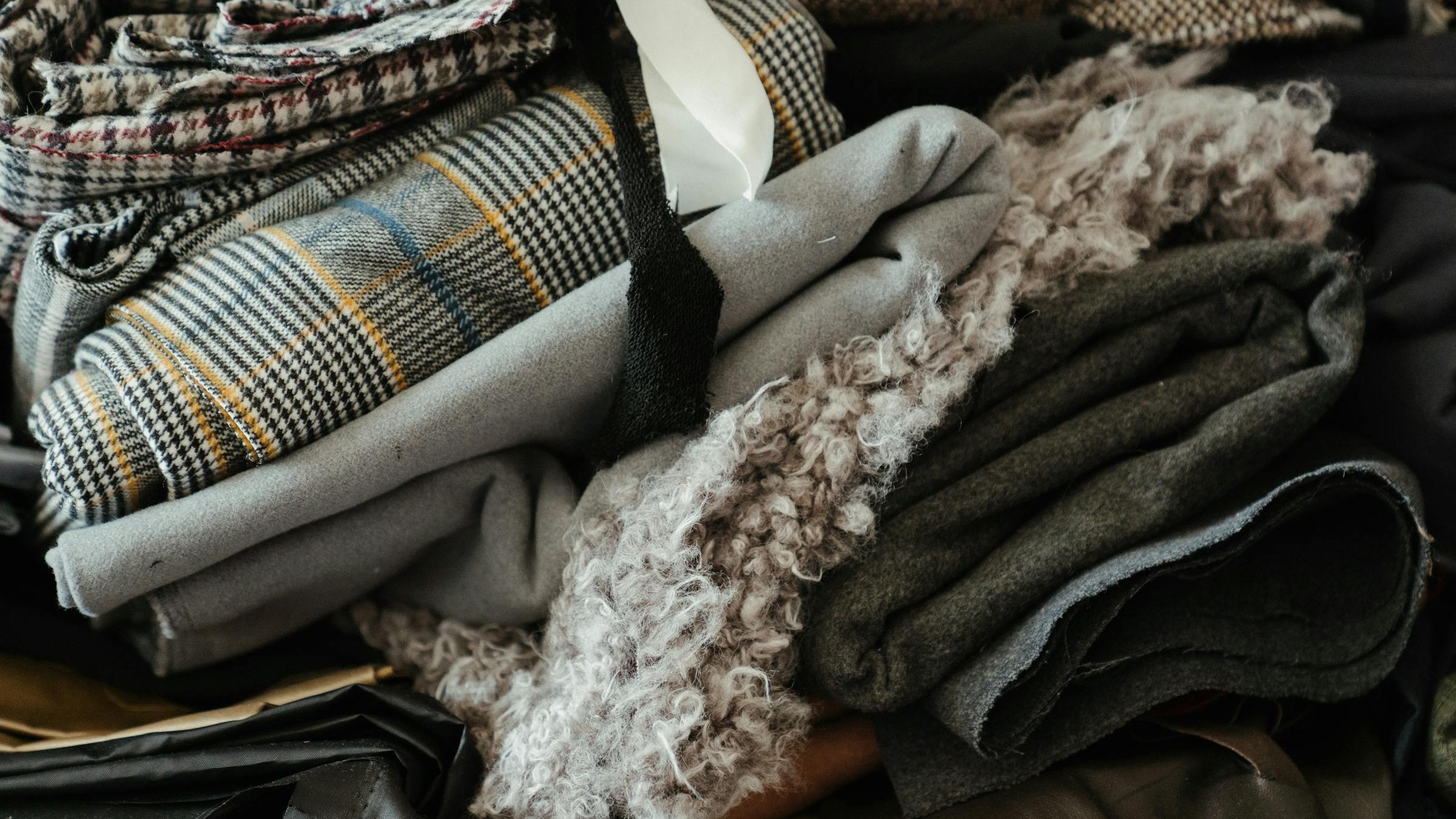
Carnet is not a separate factory with its own gate and its own sign. It is one of the brand names Ratti S.p.A. puts on cloth, and Ratti has been vertically integrated since 1958, running yarn through to finished silk under one roof in Guanzate, outside Como. Carnet itself joined the Ratti group in 1991. I am telling you this before anything about the fabric because the corporate structure is the more useful fact for a small buyer: it tells you what stands behind a small order if something about a print run does not match the swatch.
Part of a bigger loom, not a trading name
Ratti was founded in 1945 by Antonio Ratti in Como, and it has been listed on the Milan Stock Exchange since 1989. That second fact matters more than it sounds like it should: a publicly listed parent files accounts that a private trading name never has to, which is exactly the kind of paper trail that lets a buyer check a claim rather than take our word, or Carnet's, for it.
Because the group has run its own weaving, dyeing and printing under one roof since 1958, I file Carnet as a mill in our own supplier list rather than a merchant, even though the name on the swatch book is a brand rather than a factory sign. The loom sits inside the same company that puts its name on the selvedge. That is the test I use for the mill-versus-merchant question across every name on this site, and Carnet passes it.
What small batch actually costs a small shop, and what it saves you
A print-and-colour specialist like Carnet does not run the same volumes as a core worsted mill, and that shows up in two places: minimum order size, and how fast a given colourway can sell out of the current bunch. Neither of those is a flaw. It is the same trade every small-batch supplier makes, on cloth or on anything else: less volume in exchange for a look your competitor down the street is less likely to be wearing.
Where this actually helps a small shop is at the other end. We make to measure from a one-piece minimum regardless of which mill the cloth comes from, so you are never required to commit to a bolt to try a Carnet pattern. Put one jacket in front of a client, see how the print reads once it is cut and draped rather than flat on a table, and decide from there whether it earns a permanent place on your rail. A large retailer buying by the roll cannot move that carefully. A small shop can, and that is an advantage worth using rather than a limitation to work around. If speed matters more than pattern this season, our supplier list shows which mills we already hold cut and ready.
Where prints and silks actually sell, and where they sit unsold
Carnet's range leans toward pattern and colour: florals, geometrics and yarn-dyed woolens alongside its silks, built for a wardrobe that already has its basics covered. If your rack is three navy worsteds and a birdseye deep, do not lead with Carnet. It will hang at the end of the rail while the safe cloth sells, and you will conclude the mill does not work for your shop when the actual problem was sequencing.
Carnet earns its place as the second or third suit, the one a returning client buys once the boring, necessary jacket already exists in his wardrobe. I would not put a first-time made-to-measure client into a bold Carnet print as his only suit. I would put a repeat client into one without hesitation, once I know what he already owns.
What we can promise on a special order, and what we will not
We do not hold Carnet cloth in Shanghai. When a client wants it, we place the order against that specific job, the cloth travels from Como to our workshop, and only then do we cut. That adds real time on top of our own making schedule, and I will not put a specific number of days on that add-on until availability with Carnet is actually confirmed for the bunch in question, because a promise we cannot keep is worse than no promise at all.
What I can tell you plainly: we buy this cloth as a customer of Ratti and Carnet, the same as any other atelier placing an order. There is no trading company between us and their books, and there is no authorised-dealer status, exclusivity or representation of any kind attached to that relationship. If you want to know whether a specific bunch is realistic for your delivery window before you quote a client, get in touch, and read our notes on what a first sample can and cannot prove before you commit a full order to a pattern you have only seen as a swatch.