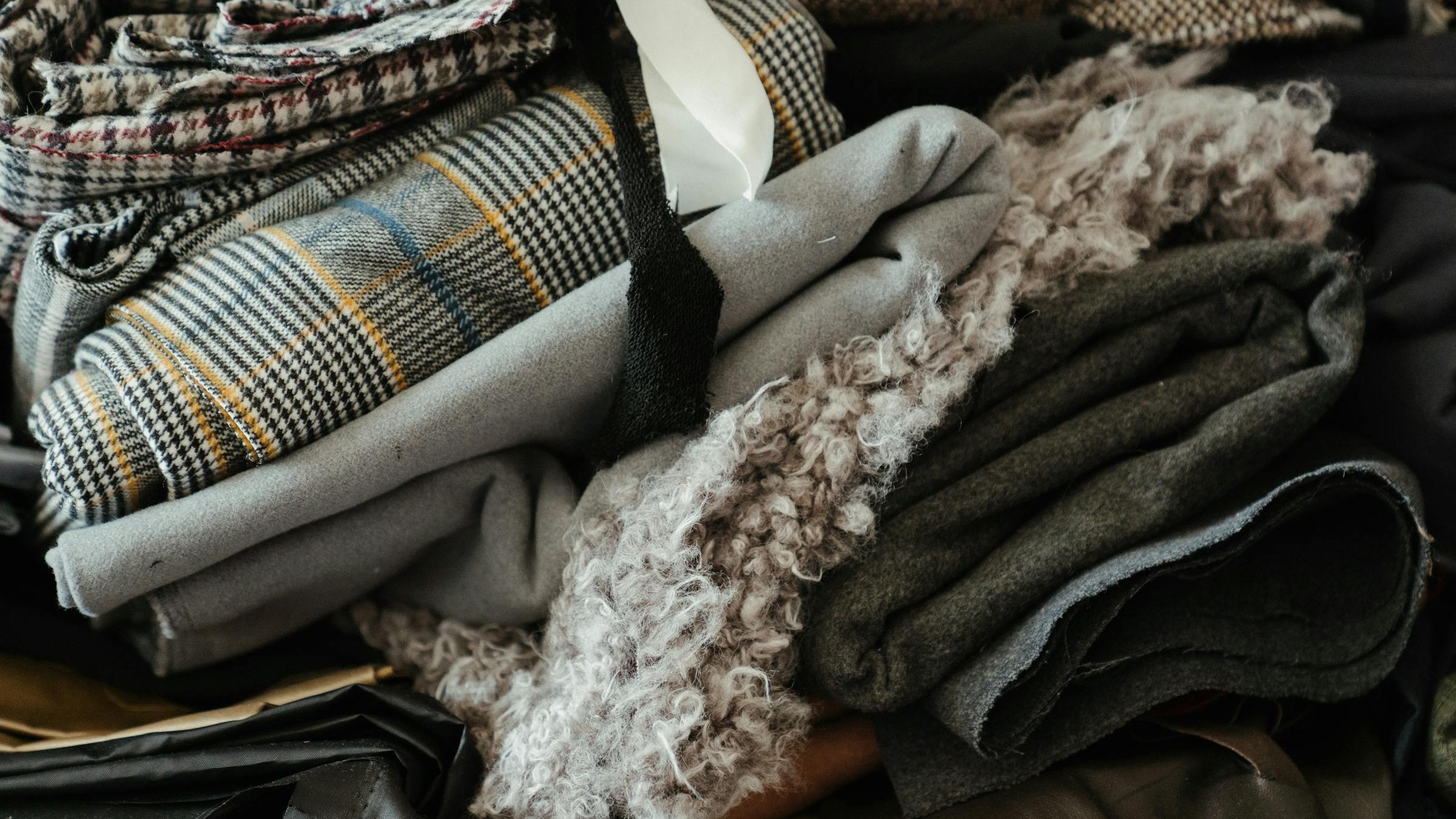
Officine Paladino was founded in 2017 by Vishal Advani and Suraj Nanwani, and it is headquartered in Singapore, not Italy. Officine is Italian for workshop, a fair name for a company that sources fabric rather than weaves it: Paladino buys from mills in Italy and England and puts its own brand on the resulting bunches. I am opening with the company's age and address rather than its cloth because that is the actual order in which I evaluate any name I have not worked with before, and Paladino is a useful case for showing how.
A 2017 name wearing a much older language
Nothing about the word Officine tells you the company is new. Italian textile vocabulary reads as heritage by default, and a merchant founded seven years ago can use exactly the same words as a mill that has been weaving since the 1800s. That is not dishonest on Paladino's part. Plenty of young companies in this trade use traditional-sounding names. But it does mean the name itself is not evidence of anything, and you have to look past it.
What the company actually is: a merchant started by two founders, one who came from investment banking and brand management, one from a family already in the textile trade, who between them decided nobody was developing fabric with specific technical properties and marketing it directly to tailors. By its own account, Paladino cloth had reached more than twenty countries within seven years of starting. Distribution at that pace tells you the cloth sells somewhere. It does not tell you whether the mill behind it will still take a small order next season, and those stay two different questions whether a young name intends to separate them or not.
Four questions I ask about a name I have not heard of
This is the actual checklist, not a marketing version of one.
First, is there a real, named company behind it, with founders I can look up rather than an anonymous about page? Paladino passes: two named founders, a consistent public story about why they started, interviews going back years.
Second, does it say which mills weave for it, even if it will not name them outright? Paladino says Italy and England. That is thinner than a mill that publishes its own bunch numbers, but it is more than a merchant who just says European fabric and stops there.
Third, is there a specific, checkable technical claim, rather than only adjectives? Paladino says it was among the first to bring a wool finished to resist creasing and shed water and stains. That is testable in principle: a swatch either performs in front of you or it does not, and I would ask to see that test before recommending the line to a client who cares about the claim.
Fourth, and this is the one that actually protects a small shop: can you try it without betting the season on it? Here our own one-piece minimum does the work. You do not need to buy a bolt from a merchant you found at a trade show last year. Put one jacket in front of a client, watch how the treated wool behaves after he has worn it a few times, and decide from a real garment rather than a swatch and a sales pitch.
What Paladino claims, and where my own knowledge stops
Paladino's public sustainability material talks about sourcing standards tied to animal welfare and biodiversity, and about producing in batches to limit waste. I have not audited that supply chain myself, and I will not present a merchant's own page about itself as an independent check. Every young merchant's website says its sourcing is responsible. I have never read one that says otherwise, which is exactly why the claim on its own tells a buyer nothing until someone outside the company has looked.
What I can verify is narrower and more useful: the company exists, it names real people, it states which two countries its mills sit in, and it makes a specific technical claim about the cloth rather than only a mood. That is more than plenty of young names in this trade offer. It is also not the same as us having stood in a mill in Italy or England watching that wool get finished, because we have not.
Ordering it, and why the one-piece minimum matters most here
We do not hold Officine Paladino cloth in Shanghai. If a client wants it, we place the order once the job is confirmed, it comes in through Paladino's own Italy and England relationships, and only then do we cut in our own workshop. Our suit fabric guide has the general weight and construction background if you want it before committing to a technical cloth like this one, and our notes on checking a first sample cover what a single garment can and cannot prove about a claim like crease resistance.
We buy from Paladino as a customer, the same as any other atelier, with no trading company standing between us and its books. There is no authorised-dealer status, no exclusivity and no representation involved, and I would say the same about a mill three hundred years old. Age is not what earns that disclosure. Buying the cloth is. If you want a straight answer on whether this fits your timeline, get in touch before you promise a client a date.