Loro Piana was founded in 1924 by Pietro Loro Piana in Quarona, in the Valsesia valley of Piedmont. His family had traded wool around Trivero, in the Biella district, for roughly a century before that. The house built its name on fibre most mills would not bother sourcing: cashmere combed from the throat of a goat in Mongolia, vicuña shorn once every two years in the Andes, merino bought at the top of the market rather than the middle of it. That reputation is real, and it predates the group that owns the company today.
A brand first, a fabric name second
LVMH bought 80 percent of Loro Piana in 2013 for 2.6 billion dollars. By 2017 that stake was 85 percent, and at the end of 2025 LVMH spent roughly a billion euros buying more shares, taking its holding to 94 percent. Each of those numbers is LVMH consolidating a business it already controls, not opening the business wider to outside buyers.
We do not file Loro Piana as a straightforward mill or a straightforward merchant. The company began as a fibre merchant and built its own vertically integrated production through the twentieth century, which leans toward mill. But the business that owns it today runs first as a luxury retailer and second as a fabric trade name. That is a different animal from a house like Vitale Barberis Canonico, where the mill is still the whole business.
Go to loropiana.com today and what loads is a coat priced like a small car, a bag, a pair of shoes. It is a retail site, built to sell finished goods to a consumer, and it does that well. There is a separate textile trade portal at loropiana.com/textile, so a wholesale channel does still exist inside the group, but it sits behind a login. There is no public bunch book to browse the way there is for a mill you can look up in ten seconds. If a supplier tells you they can get you Loro Piana, the question worth asking is which bunch and which reference number, not whether you can check it on the website yourself, because you cannot.
What the cloth is actually like to cut
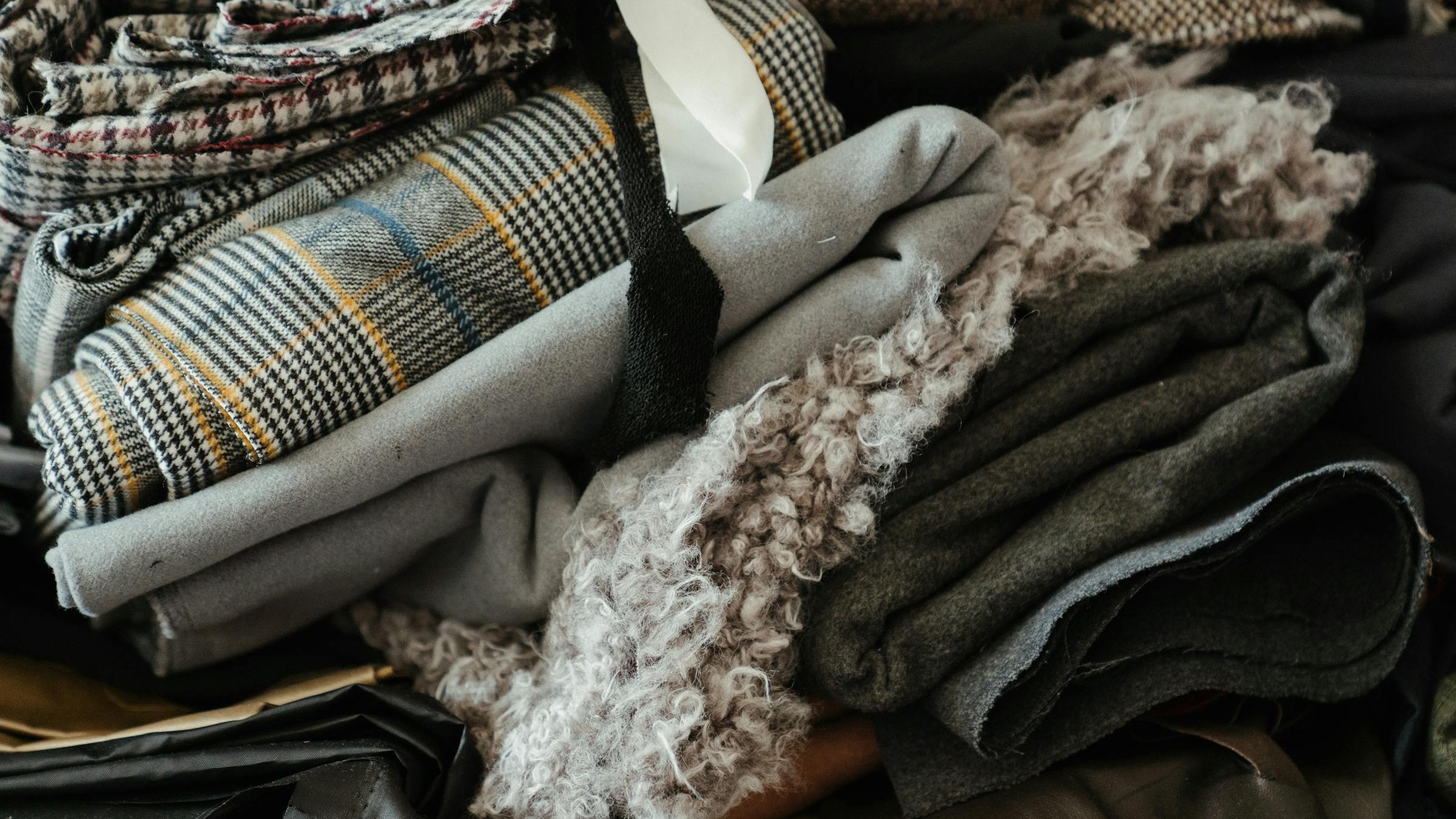
Fineness is the whole point of this fibre, and it has consequences on the cutting table. Loro Piana suiting runs to very low micron counts, which is why the handle is the first thing anyone notices: soft, cool, and slightly fluid rather than crisp. It drapes instead of holding a shape on its own.
That changes what a maker does with it. A cloth this fine follows the body closely, so a well-taken measurement shows, and a poor one shows more. I specify half canvas or full canvas for it, with a lighter lining or none through the back, because the whole reason to buy this fibre is movement, and a heavily fused jacket fights the cloth instead of letting it move. Put this cloth in a stiff, fused chest and you have paid for something the construction then cancels out. The general weight and construction trade-offs across suiting cloth apply here just as they do to something far cheaper.
The honest part about wear
Very fine cloth is not durable cloth, and I say that to a client before the sale, not after. Low-micron wool and cashmere crease more readily, scuff more visibly at the cuff and seat, and reward being rested between wears. I would not sell it to a client who needs one suit to survive five days a week on a commuter train. A cloth this soft shows that kind of week within a month. I recommend a firmer worsted for him instead, and save the Loro Piana length for the client who already owns three or four jackets and rotates them.
Why we don't keep it on the shelf
A length of Loro Piana sitting in a shop as open stock is capital doing nothing until a specific client asks for it by name. That is money tied up in a fabric you might not sell for months, wearing a name that photographs well and does nothing for your cash flow while it waits. I do not recommend a boutique holds this cloth on spec. Order it once a client has already said yes to the price, not before. The attention a famous name gets in a fitting room does not pay your rent while the length sits unsold.
This is also why we do not stock it ourselves. We hold zero pieces of Loro Piana cloth in our Shanghai warehouse right now. The sample book is registered in our system so a client can see what the mill offers. The stock behind it is not.
Ordering it under your own label
We are not an authorised dealer, a licensee, or a representative of Loro Piana, and we will not tell you otherwise. What we can do is this: when a shop confirms an order and names a specific bunch and reference, we source that reference and cut it to measure in our Shanghai atelier, under your own label. Because we do not hold it, add the mill's own release time on top of our usual 14 to 20 working days. That is slower than a fabric we already have on the shelf, and I would rather tell a shop that now than have them promise a client a date we cannot hit.
The cloth itself is Italian. The jacket is cut and sewn in Shanghai. We keep those two facts separate on purpose, because conflating them is exactly the kind of claim this page exists to avoid.
Related: suppliers we hold and order · talk to us about a special order