Journal Entry
Relaxed Tailoring Is a Pattern Decision, Not a Size Decision
Searches for relaxed tailoring are up more than fivefold on last year, and the easy fit is the look of autumn 2026. The mistake shops make is ordering it one size up. What relaxed actually means on a pattern, and what to put on the spec sheet.
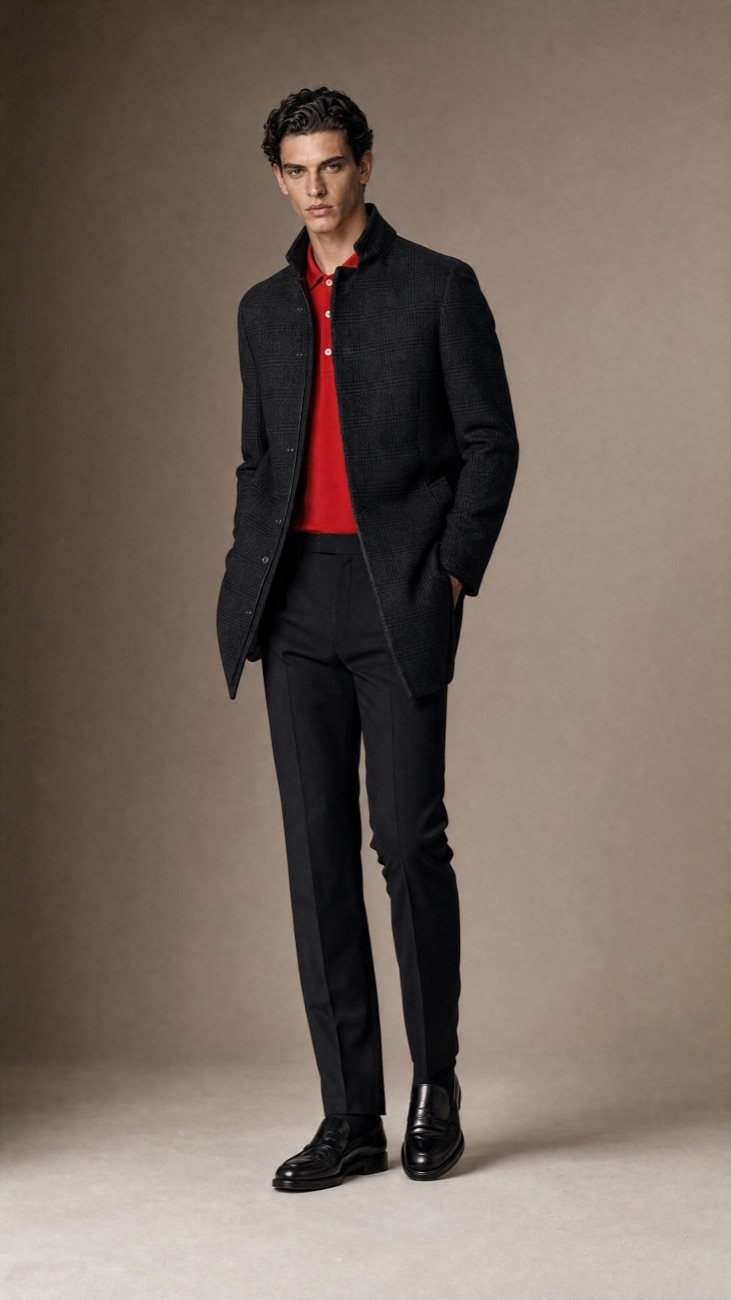
The email arrived with a screenshot from a runway and one line under it. Our clients want this. Cut the next batch two sizes up. I could see exactly what she meant, because the jacket in the photo had that easy, slightly dropped look that is everywhere this autumn, and I could also see exactly what was about to go wrong, because two sizes up is not how that jacket was made. Cut a lean block two sizes bigger and the shoulder seam slides off the bone and out onto the arm. The sleeve head collapses into a fold. The chest is roomier, which was the point, but the whole thing now reads as borrowed rather than relaxed, and the client who asked for the runway look sends it back.
The look is real and the demand is real. Trendalytics put searches for relaxed tailoring up 554 percent on the previous year in its 2026 menswear report, and the September shows in London, Milan and Paris carried on with softer shoulders and easier chests. Every shop that sells suits is going to be asked for it between now and December. The part almost nobody says out loud is that relaxed is a set of proportions, and proportions live in the pattern, not in the size label.
What relaxed actually changes
Take a lean, current business block and a genuinely relaxed jacket and lay the patterns over each other. The differences are specific and they are not evenly spread.
The shoulder barely moves. The seam still ends where the wearer's shoulder ends, because that is the one line in a jacket that is built into the pattern rather than let out afterwards. Our own fit guide puts the shoulder first for exactly that reason: it is the check a tailor essentially cannot correct. What changes at the shoulder is the construction, not the width. A natural or lightly padded shoulder replaces the roped, built-up sleeve head, and the line softens without the seam going anywhere.
The chest is where the ease goes in. A relaxed jacket carries more room across the chest and through the armhole, which is what lets it move with the wearer instead of holding a fixed shape around him. The armhole is the detail buyers forget to specify, and it is the one that decides whether the jacket feels easy or simply large.
The body lengthens and straightens. Less waist suppression, a slightly longer skirt, a lower button stance. The jacket stops pinching in at the waist and falls in a straighter line, which is most of what the eye reads as relaxed.
The trouser does its share. A fuller leg and a higher rise, sometimes a pleat, balance a roomier jacket. Put a relaxed jacket over a lean trouser and the jacket looks oversized instead of easy, because the proportion is off from the waist down.
None of that is a size. All of it is a set of numbers on a spec sheet, and the numbers change by different amounts at different points. Sizing up changes them all by the same amount, which is why it never produces the look.
Why sizing up fails at the shoulder
I want to stay on the shoulder because it is where the whole thing is won or lost. Our size system runs to 47 measurement fields, 31 of them required, and shoulder width is the one field on that list that has no tolerance worth having. Move it a centimetre past the bone and the sleeve head has nothing to hang from. It drops, creases, and shows the wearer as somebody in a jacket that is not his.
A relaxed jacket keeps the shoulder on the bone and takes its ease everywhere else. That is the distinction between relaxed and oversized, and it is a distinction a client feels the moment he puts the jacket on, even if he could not name it. The fit system we cut from was built to hold the shoulder while the chest, armhole and length move independently, which is the only way to give a shop a relaxed block that still fits.
Soft construction is the point, and the harder part
The reason this look reads as relaxed rather than slack is that the construction underneath has changed. The heavily padded, fully canvassed, fully lined jacket has been retreating for years, and I wrote about seeing it again on the floor at Pitti Uomo 110 in June: unlined and half-lined jackets, natural shoulders, lighter internal work. That is what gives the cloth permission to fall.
Two constructions do the job. A half-canvas jacket with a natural shoulder keeps a clean front and a light structure through the chest, and it is the version I would put a shop's first relaxed order into. An unstructured jacket, with little or no padding and a soft or absent canvas, is the fuller expression of the look and the more demanding one to make, because there is nothing inside to hide the cutting behind. We set the two out side by side, with the shoulder styles defined, in the unstructured, half-lined and unlined guide.
What I would not do is spec a fully fused, padded jacket and ask the pattern to make it relaxed. It can be cut roomy. It will not fall the way the photograph fell, because a fused front holds a shape of its own and a relaxed jacket is supposed to take the wearer's. The differences between the three constructions, and what each one looks like opened up, are on our full canvas vs half canvas vs fused page, with photographs of our own fronts rather than diagrams.
Our own soft-tailored tweed sport jacket: unstructured, patch pockets, natural shoulder. The shoulder seam sits on the bone. The ease is in the chest and the length.
The cloth has to carry more of the work
Take the structure out of a jacket and the cloth is asked to hold a line on its own. This is where a second mistake follows the first. Buyers chasing a floppy, lived-in look reach for lighter cloth, and a light cloth in a soft construction does not drape, it creases. By the second hour it looks tired rather than relaxed.
Stay in the band. Of the 822 fabrics we hold with a stated weight, 597 sit between 240 and 300 grams, and that is where a relaxed suit belongs as much as a lean one. A 280 gram cloth in a half-canvas jacket with a natural shoulder falls cleanly and recovers from a chair. The same jacket at 220 grams needs pressing by lunchtime. Vitale Barberis Canonico's Four Seasons book, which we hold cut and ready in Shanghai, sits at 280 grams for exactly this reason.
The other thing this autumn is asking for is texture. Flat worsted is giving ground to cloth with some surface to it, and that suits soft tailoring well, because a textured cloth reads as intentional in an easy cut where a shiny flat one can read as cheap. Our signature range carries tweed and a small run of flannel for that. I will say plainly what we do not hold, because it comes up: we do not carry mohair or mohair blends, which are having their own moment this season. If a client wants that specific dry sheen, we order the cloth in against a confirmed order rather than pretend it is on the rack.
What it costs in production
Less than buyers expect, and in a different place. A relaxed block runs through our atelier in the same 14 days in production as a lean one, from a confirmed order to shipment, and the minimum is still a single piece. The extra centimetres of chest ease cost nothing. What moves a quote is construction: unstructured and unlined work needs cleaner cutting and cleaner internal finishing than a padded, fully lined jacket, because every seam is closer to view. Budget for the construction, not for the fit.
The one-piece minimum matters more here than usual. A shop moving from a lean block to a relaxed one is changing proportions its clients have not tried on yet, and the right first order is one jacket in the new block, checked against the first-sample list, before fifty. Look at where the shoulder seam sits and how the sleeve hangs from it before you look at anything else. If the seam is on the bone and the ease is in the chest, the block is right. If the seam has drifted, somebody sized up.
What to put on the spec sheet
If a client asks for the relaxed look, this is what should go to the factory, in this order.
Shoulder width to the bone, with the construction named: natural or Neapolitan, not roped. Chest ease and armhole depth, stated as numbers rather than as a size. Front length and button stance, both longer and lower than the lean block. Waist suppression reduced, stated. Construction: half-canvas with a natural shoulder, or unstructured, chosen deliberately. Cloth weight in the 240 to 300 gram band, with the bunch number. Trouser rise and leg opening to match, because a relaxed jacket over a lean trouser is the second most common way this look goes wrong.
Send that and you will get the jacket in the screenshot. Send "two sizes up" and you will get a jacket that is two sizes up.
If you want to see how a relaxed block sits before you commit a client to one, tell us the measurements and we will cut a single piece in it. The jackets in our range show the soft-tailored versions we already cut, and the double-breasted guide covers the other silhouette this autumn keeps asking for.
Frequently asked questions
What is relaxed tailoring?
A jacket cut with a natural or lightly padded shoulder, more room through the chest and a longer, easier line through the body, worn with a fuller trouser. It is a pattern with its own proportions, not a standard block made larger. The shoulder seam still ends where the wearer's shoulder ends, which is the one thing sizing up gets wrong.
Can I just order a relaxed-fit suit one size bigger?
No. A bigger size widens the shoulder, and the shoulder is the one seam a tailor cannot bring back in. The result is a jacket that looks borrowed rather than relaxed. Ease belongs in the chest, the armhole and the body length, with the shoulder held to the wearer's bone, which is a pattern change, not a size change.
Which construction suits relaxed tailoring best?
Half-canvas or unstructured, with a natural or Neapolitan shoulder. Both let the cloth fall rather than hold a rigid shape. Unstructured is the softer of the two and the harder one to make well, because there is no padding to hide the cutting behind. A fully fused, heavily padded jacket can be cut roomy, but it will not read as relaxed.
What fabric weight works for a relaxed jacket?
Stay in the 240 to 300 gram band for anything worn as a suit. A softer construction leans harder on the cloth to hold a line, so going light to chase a floppy look usually produces creasing rather than drape. Of the 822 fabrics we hold with a stated weight, 597 sit in that band.
Does relaxed tailoring cost more or take longer to produce?
Not in lead time. Our production runs 14 days from a confirmed order whether the block is lean or relaxed, from a one-piece minimum. The cost difference sits in construction rather than fit: unstructured work needs cleaner cutting and finishing than a padded jacket, and that is where a quote moves, not in the extra centimetres of chest ease.